Como as caixas de pizza de papel conseguem ser resistentes à gordura e a vazamentos?
2026-01-23 13:00
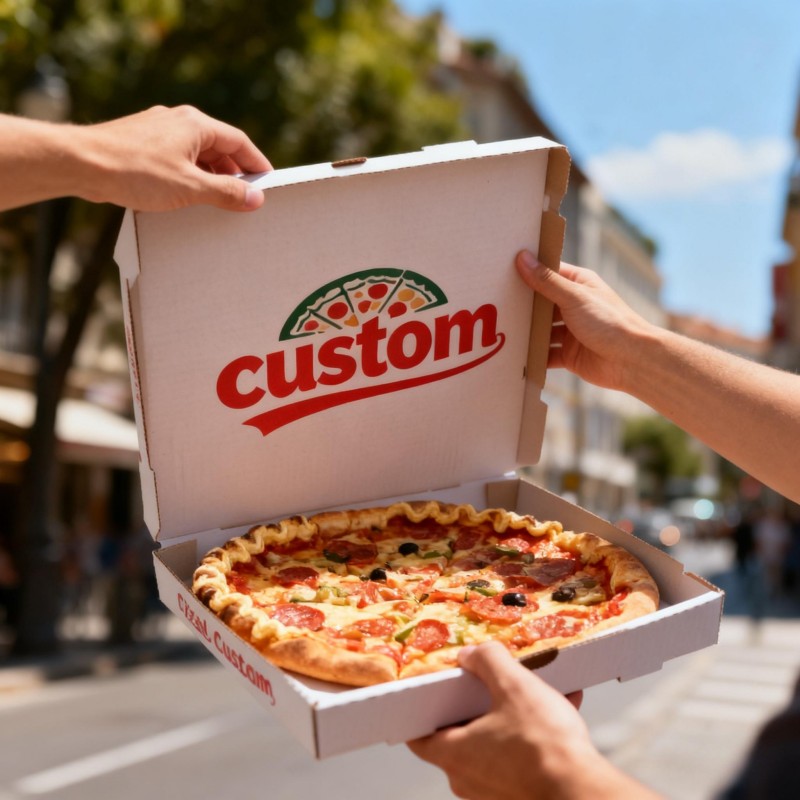
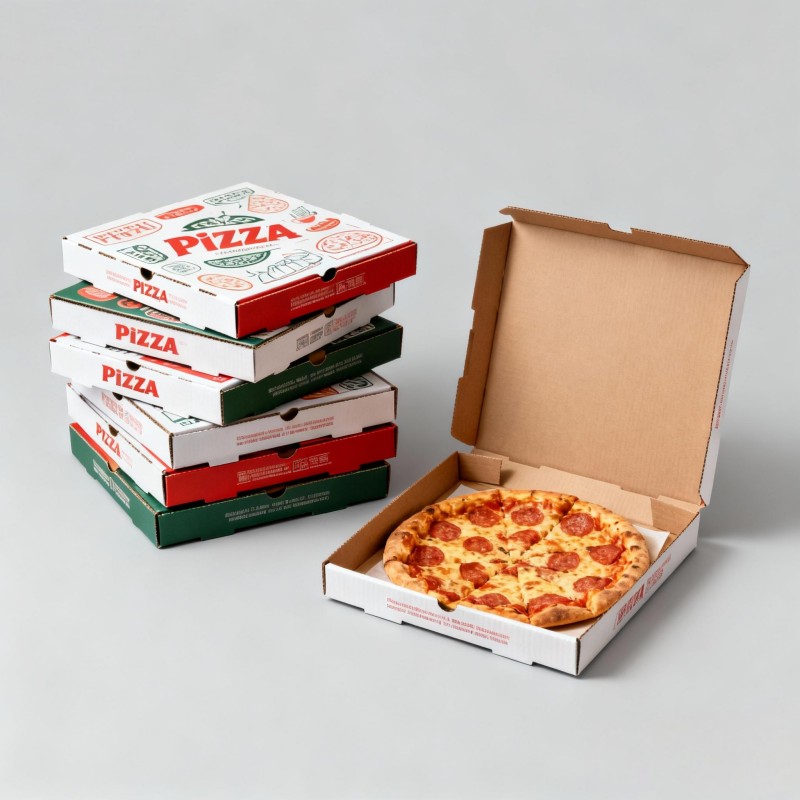
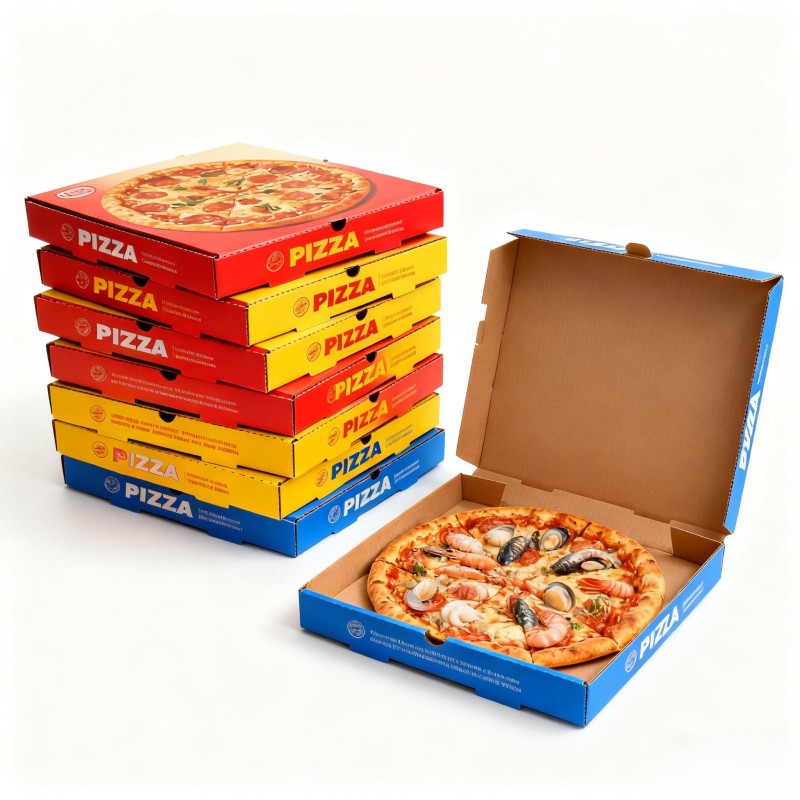
In the bustling world of food delivery and takeout, the humble pizza box plays a crucial role in ensuring that your favorite pie arrives hot, intact, and—most importantly—free from grease stains and leaks. But how exactly do these boxes manage to contain oily cheeses and saucy toppings without turning into a soggy, leaking mess? The secret lies in advanced manufacturing techniques, including internal polyethylene (PE) coating, water-based grease-resistant barriers, and the integration of grease-resistant paper liners. This article delves into the science and innovation behind effective pizza packaging box design, exploring how industry standards meet consumer demands for durability and sustainability.
The Science of Grease and Leak Resistance
Pizza, with its combination of oily cheese, tomato sauce, and assorted toppings, presents a unique challenge for packaging. Ordinary paper or cardboard would quickly absorb fats and moisture, leading to structural failure and unsightly leaks. To combat this, manufacturers employ several key methods to create a barrier between the pizza and the box material.
1. Internal Polyethylene (PE) Coating
One of the most common solutions is the application of a thin polyethylene (PE) layer on the interior surface of the box. PE is a food-safe plastic that provides an excellent barrier against oils and liquids. During production, cardboard pizza boxes are passed through machines that apply a molten PE film, which cools to form a seamless, waterproof lining. This coating not only prevents grease from seeping through but also enhances the box’s rigidity, helping it retain heat. While highly effective, the use of PE has drawn environmental scrutiny due to its plastic content, prompting the industry to explore greener alternatives.
2. Water-Based Grease-Resistant Barrier
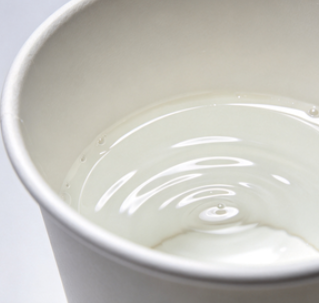
In response to eco-conscious trends, many manufacturers now use water-based coatings that offer grease resistance without plastic. These coatings, often made from biodegradable polymers or natural compounds, create a microscopic barrier on paper fibers. When applied to kraft pizza boxes—a popular choice for their rustic appeal and sustainability—these coatings maintain the box’s recyclability while preventing oil penetration. The process involves spraying or rolling the coating onto the cardboard surface, where it dries to form an invisible shield. This method is increasingly favored for custom pizza boxes, as brands seek to balance functionality with environmental responsibility.
3. Integration of Grease-Resistant Paper Liners
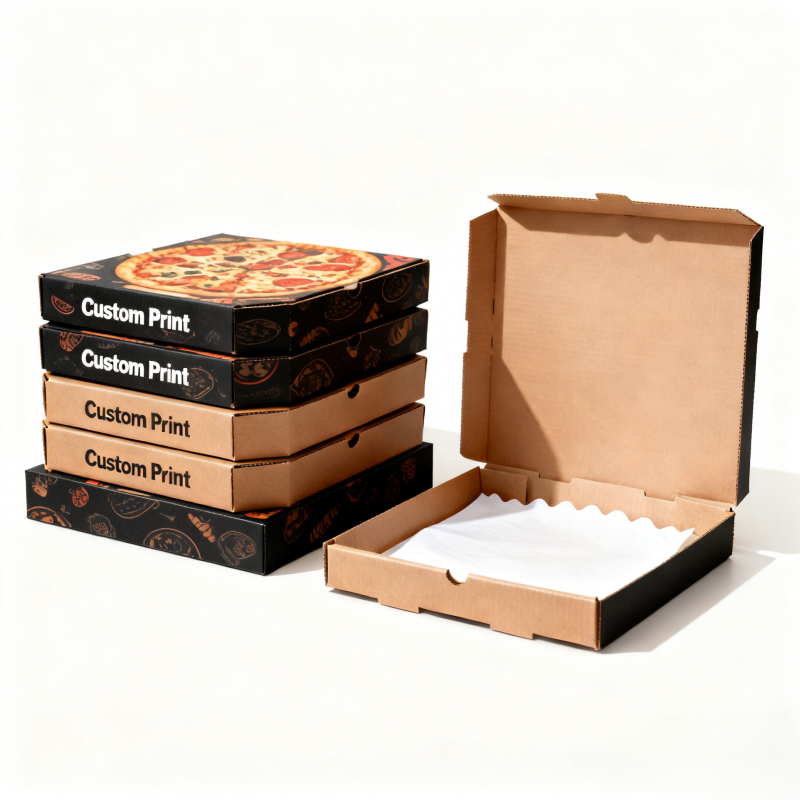
For added protection, some pizza packaging box designs incorporate a separate grease-resistant paper liner placed inside the box. These liners, often made from silicone-treated paper or compostable materials, act as a first line of defense against oils. They are particularly useful for extra-greasy pizzas or deep-dish styles, where the risk of leakage is higher. While this approach adds a step in production, it allows for greater flexibility, as the liner can be customized with branding or instructions. Additionally, it ensures that the main pizza box remains clean and intact, enhancing the customer experience.
pizza boxes
custom pizza boxes
kraft pizza boxes
pizza packaging box
The Evolution of Pizza Box Materials
The journey from simple cardboard containers to advanced packaging solutions reflects broader shifts in technology and consumer expectations. Traditionally, cardboard pizza boxes were made from uncoated paperboard, which often led to grease stains and soggy bottoms. Today, the industry leverages a variety of materials and designs to optimize performance.
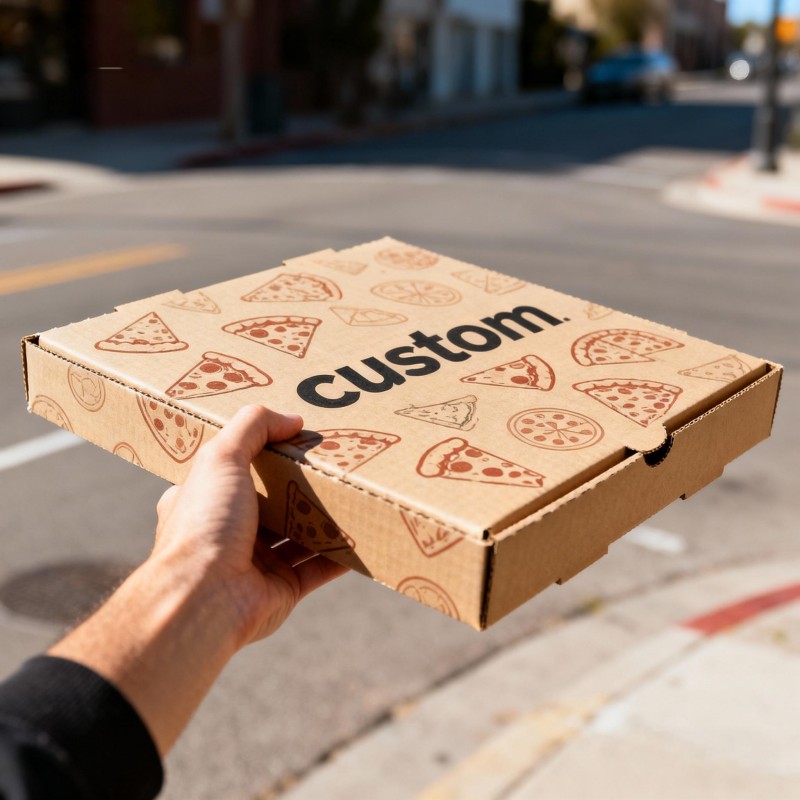
Kraft Pizza Boxes: Made from unbleached, durable paperboard, these boxes are valued for their natural look and strength. When combined with water-based coatings, they offer a sustainable option that appeals to eco-friendly pizzerias. Their brown exterior also provides an excellent canvas for branding, making them a favorite for custom pizza boxes.
Cardboard Pizza Boxes: This broad category includes both coated and uncoated varieties. Modern versions often feature a blend of recycled content and functional coatings, striking a balance between cost, durability, and environmental impact. Innovations in corrugated designs further improve heat retention and stackability.
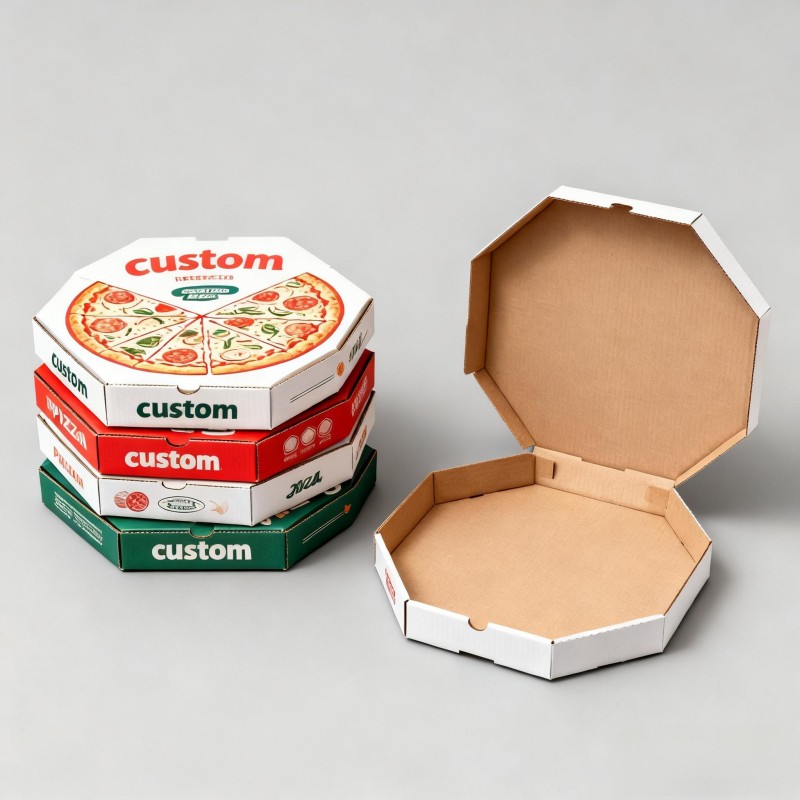
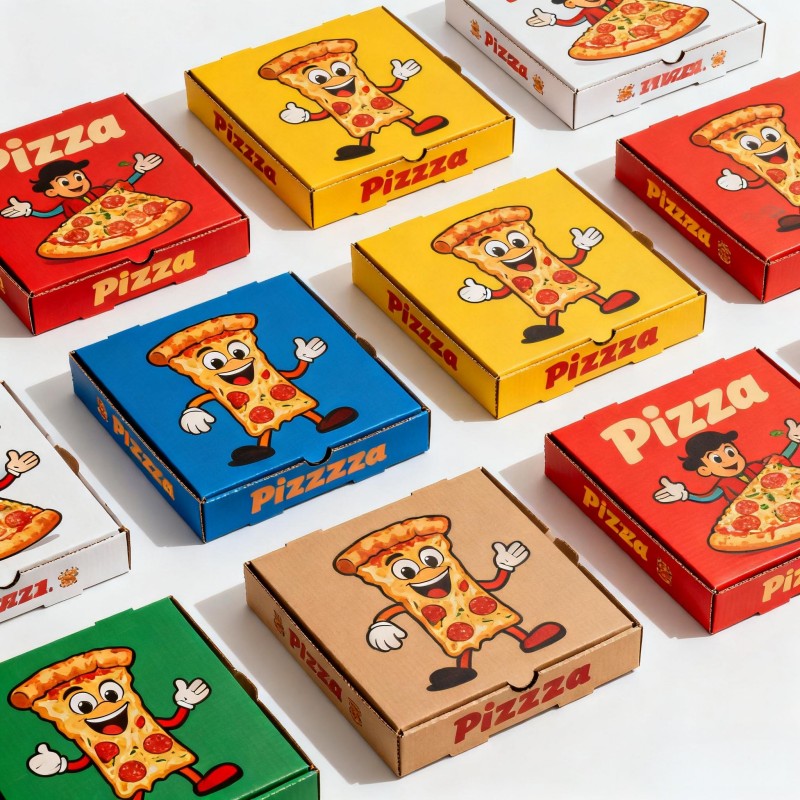
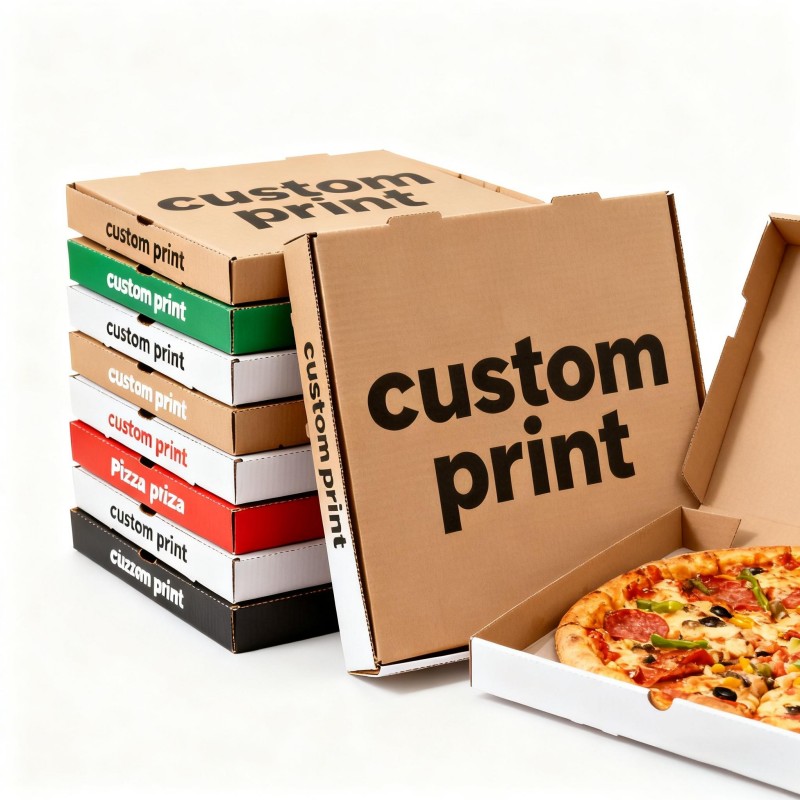
Custom Pizza Boxes: As competition grows, pizzerias use packaging as a marketing tool. Customization extends beyond logos to include specialized coatings, venting systems (to reduce sogginess), and even compartmentalized designs for side items. These boxes often integrate multiple grease-resistant methods to ensure premium quality.
Environmental Considerations and Future Trends
The push for sustainability is reshaping pizza packaging box manufacturing. While PE coatings are effective, they can complicate recycling due to the plastic layer. Many regions now favor boxes with water-based coatings or liners that are fully compostable. Researchers are also exploring novel materials, such as plant-based films and edible barriers, though these remain in early stages.
For businesses, selecting the right pizza box involves weighing factors like cost, brand image, and local recycling regulations. Kraft pizza boxes with water-based coatings, for instance, may cost slightly more but appeal to environmentally conscious consumers. Meanwhile, high-volume chains might opt for cardboard pizza boxes with PE coatings for their proven reliability.
The question of how paper pizza boxes achieve grease and leak resistance reveals a fascinating intersection of materials science, environmental innovation, and practical design. Through internal PE coatings, water-based barriers, or added liners, manufacturers have transformed the humble pizza packaging box into a sophisticated product that protects both the pizza and the planet. As technology advances, we can expect even smarter solutions—perhaps boxes that adjust to moisture levels or incorporate entirely biodegradable composites. For now, whether you’re a pizzeria owner ordering custom pizza boxes or a consumer enjoying a Friday night treat, you can appreciate the engineering that keeps your pizza deliciously contained.
cardboard pizza boxes
pizza packaging box
custom pizza boxes
pizza packaging box
The next time you open a pizza box and find it crisp and clean, remember the layers of innovation inside. From kraft pizza boxes adorned with rustic charm to sturdy cardboard pizza boxes designed for mass delivery, each represents a careful balance of function and sustainability. And as the industry evolves, the pizza packaging box will continue to adapt, ensuring that our beloved pizza arrives in perfect condition, one grease-free box at a time.
Notícias relacionadas
Leia mais >-
Como a embalagem tubular para sushi melhora o frescor?
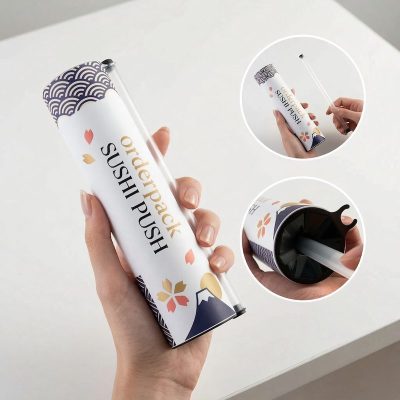
A frescura é uma das qualidades mais importantes que os consumidores esperam do sushi preparado. Depois de o sushi ser montado, a exposição à humidade, gordura, manuseamento e ao ambiente circundante pode afetar o seu aspeto e a experiência de consumo. Um tubo de sushi com design inteligente proporciona um ambiente de embalagem controlado que ajuda a proteger o produto durante o armazenamento, transporte e consumo.
-
Por que escolher a embalagem de sushi em tubo para atacado?
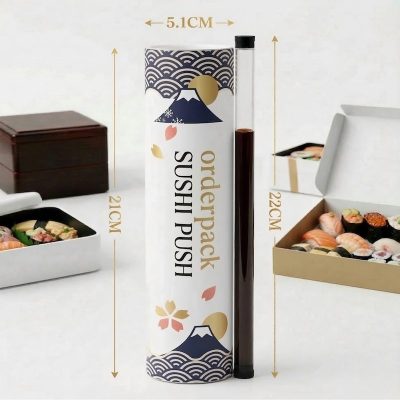
Com a evolução do sushi para viagem e dos alimentos prontos para consumo, as embalagens precisam ir além da simples conservação do produto. Restaurantes, varejistas, empresas de catering e distribuidores de alimentos buscam embalagens que combinem proteção alimentar, praticidade, apresentação e eficiência nas compras. Para esses negócios, as embalagens tubulares push-up para sushi oferecem um formato prático, desenvolvido para atender às reais necessidades do setor de alimentação moderno.
-
Como a embalagem tubular de papel para sushi contribui para a segurança alimentar?
Para aplicações de entrega e varejo, a combinação de um tubo de papel para sushi adequado, materiais próprios para contato com alimentos, procedimentos de manuseio eficazes e um design prático pode criar uma solução de embalagem mais confiável. Como os consumidores continuam a valorizar tanto a conveniência quanto a higiene, formatos de embalagens de papel para sushi bem projetados, como o tubo para sushi e o sushi push pop, podem oferecer um suporte útil para os negócios de sushi modernos.
-
Certificações de embalagens de alimentos: FDA, FSC, CE, BRCGS
FDA, FSC, CE e BRCGS — quatro certificações que todo comprador de embalagens para alimentos questiona. A ODPACK explica o que cada certificado comprova, quais mercados o exigem e como verificar a documentação do fornecedor antes de fazer pedidos de embalagens para alimentos no atacado.
-
Compostável vs. Reciclável: Escolha o certo para o setor de alimentação
As embalagens compostáveis e recicláveis alegam ser sustentáveis, mas cada uma funciona apenas em condições específicas do setor de alimentação. A ODPACK compara custo, durabilidade, infraestrutura de gestão de resíduos e destinos finais para ajudar os compradores a escolherem as embalagens de alimentos certas para cada aplicação.
-
Regulamento de Importação e Redução de Custos de Importação da UE (PPWR) em vigor a partir de 12 de agosto: O que os importadores devem fazer agora
O Regulamento da UE sobre Embalagens e Resíduos de Embalagens entra em vigor integralmente em 12 de agosto de 2026, com novos limites para PFAS em embalagens de alimentos. A ODPACK explica o que os fornecedores e importadores asiáticos devem verificar, documentar e alterar antes de enviar seus produtos para os mercados europeus.
-
Negociação de Quantidade Mínima de Encomenda: 5 Táticas Essenciais para Compradores em Cadeia
Restrições de quantidade mínima de pedido limitam a flexibilidade de compras para redes de restaurantes e atacadistas. A ODPACK apresenta cinco táticas comprovadas de negociação de MOQ — desde estruturas de entrega dividida até pacotes com SKUs mistos — que reduzem o risco por unidade sem prejudicar o relacionamento com os fornecedores.
-
Regulamentos sobre embalagens plásticas: um cronograma de conformidade para 2025-2027
Da União Europeia à Califórnia e ao Canadá, as regulamentações sobre embalagens plásticas descartáveis estão se intensificando. O ODPACK mapeia todos os principais prazos de conformidade entre 2025 e 2027, mostrando quais recipientes para alimentos, tigelas e categorias de embalagens enfrentarão mudanças obrigatórias de material e quando.